
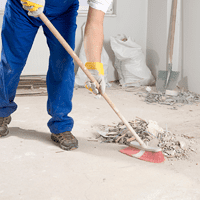
You finally get the keys back. Your renovation is done, and you step into your sparkling new space. But that “new space” smell? What you’re breathing could be post construction dust, and it’s far more dangerous than you think.
If you’ve ever wondered, “is construction dust harmful?” or “why post-construction cleaning is important?” you’re about to get your answer. This isn’t just about a little dirt. It’s about your health.
In the next few minutes, we’ll break down exactly what’s in that dust, how it can affect you, and what you can do about it. Let’s clear the air.
What Is Post-Construction Dust?
So, what exactly is floating around after the crew leaves? It’s not just the dust you see on the floor. Think of it as a gritty cocktail of everything that was cut, sanded, or mixed. We’re talking fine plaster powder, microscopic concrete bits, slivers of drywall, and even residues from paints and sealants.
The real troublemaker in that mix? Silica dust. It comes from materials like quartz, and it’s so fine it behaves more like a gas than a solid. This brings us to a big question people often ask, “how long does construction dust stay in the air?” The answer is way too long. These super-fine particles can stay airborne for days, and sometimes weeks, settling slowly on your new counters, your sofa, and yes, right into your lungs.
That’s why a quick sweep just doesn’t cut it. This dust needs a special kind of eviction notice, which is where true post-renovation cleaning comes in. But before we get to the solution, let’s talk about what this dust party in your air actually does to your body. It’s more than a sneeze.
How Does Post-Construction Dust Affect Your Health
So that dust is in your air. What does it actually do to you? Let’s talk about the construction dust inhalation symptoms you might feel first.
You know that tickle in your throat after being in the room? Or a cough that just won’t quit? That’s your body trying to kick out the intruders. Your eyes might get itchy, or you start sneezing like you have summer allergies in the middle of winter. These are all clear symptoms of too much dust inhalation.
But here’s the thing most people don’t ask until it’s too late: “what happens when you inhale dust over and over?” This isn’t about a bad day. It’s about the long-term health effects of dust. Breathing in this gritty stuff day after day is like sanding down the inside of your lungs. It weakens them slowly.
That slow damage is the real reason you need to know the answer to “can breathing dust make you sick?” Yes. It absolutely can. And the worst of it comes from one thing in that dust cocktail, which we need to talk about next.
Silica Dust: The Silent Killer?
Remember that super-fine powder we mentioned? That’s the one. Silica dust isn’t your average dirt. It’s like microscopic shards of glass that come from cutting materials like concrete, brick, or stone.
So what are the silica dust hazards? When you breathe it in, those sharp particles get lodged deep in your lungs. Your body can’t get rid of them. This causes silica dust exposure to build up slowly, often without you even noticing for years.
The silica dust side effects are no joke. This damage can scar your lung tissue, making it harder and harder to breathe. The most serious result of this is a disease called silicosis. It’s permanent and it has no cure.
This leads to a scary but important question: “how much exposure to concrete dust is dangerous?” The truth is, it doesn’t take as much as you’d think. There’s no safe “little bit.” Regular exposure to the dangers of concrete dust and other silica sources during a renovation is a serious gamble with your health.
If that sounds alarming, good. It should. Now let’s talk about who’s most at risk in your home or office.
Who’s Most at Risk?
So, we know the dust is bad. But who really needs to worry? Pretty much everyone, but some people are on the front lines.
Think about kids. They play on the floor, put toys in their mouths, and breathe faster. They’re basically dust magnets. The same goes for pets, who sniff everything. Older adults or anyone with asthma or allergies will feel the effects way quicker and way worse.
And let’s be real — if you’re the one trying to clean up the mess with a regular vacuum, you’re getting the worst of it. You’re stirring it all back into the air and inhaling too much dust in one go. That’s a major risk, whether it’s in your home or a commercial space.
It’s a common scene. Someone finishes a DIY cleanup, feels a cough coming on, and wonders, “What now?” That’s exactly the moment you need to know exactly what to do after inhaling dust.
What to Do After Inhaling Dust
Okay, you’ve been in a dusty room and now your chest feels tight. Don’t panic, but don’t ignore it either. Here’s what to do after inhaling dust.
First, get out. Go somewhere with fresh air immediately. Drink some water to help your throat. If you were cleaning, change your clothes so you don’t carry the dust with you.
If the coughing or irritation doesn’t clear up in a short while, it’s time to call a doctor. Be honest with them. Tell them you were exposed to construction dust. They need to know it’s not just a common cold.
Now, if this happened on a job site where you weren’t properly protected, that’s a different story. You might be looking at compensation for dust from building site exposure. That’s a legal path, and your first step is seeing that doctor and documenting everything.
But for most of us dealing with a home renovation, the goal is to never get to this point. The best move is to not breathe it in at all. And that means the cleanup has to be done right, which brings us to the big solution.
Why Professional Post-Construction Cleaning Matters
Let’s be honest. A broom, a dustpan, and your home vacuum aren’t cutting it. You’ll just blow the fine stuff back into the air. What you need is professional post construction cleaning.
Post-construction cleaning services exist for one reason: they have the right tools for a job your tools can’t handle. We’re talking industrial HEPA vacuums that actually trap the microscopic particles, special cloths that grab dust instead of spreading it, and air scrubbers to clean what you’re breathing right now.
Trying to do it yourself is a losing battle. You’ll miss what’s in the vents, behind the cabinets, and settled deep in your carpets. Hiring a post construction cleaning company means they handle the hazard, so you don’t have to.
Think of it this way: you wouldn’t rewire your own house unless you’re an electrician. This is the same. The pros know how to remove the danger completely.
So, how do you avoid this whole dusty thing next time?
Preventing Dust-Related Health Issues
The smartest move? Don’t let the dust take over in the first place. If you’re planning a renovation, talk to your contractors about containment. Good crews will seal off the work area with plastic sheeting and use tools with built-in dust collectors.
If you’re living there during the work, keep windows open for ventilation if you can. And for goodness’ sake, don’t use the area’s HVAC system, it will just shoot dust into every other room.
Once the hammering stops, don’t rush back in. Let the dust settle for a day or two. Then, bring in the professional post construction cleaning team we just talked about. Don’t try to be the hero with a feather duster.
Making a clean end part of the plan is how you protect your biggest investment: your health, and your peace of mind in your new space.
Wrapping This Up
So, let’s be clear. Post construction dust is a real health hazard, not just a mess. From immediate construction dust inhalation symptoms to the severe long term health effects of dust like silicosis, the risks are serious.
That’s the whole reason a company like ours exists. At Mya Cleaning Services, we don’t just make your renovated space look clean. We do the deep, thorough professional post construction cleaning that makes it genuinely safe for you and your loved ones. We use the right tools and methods to remove what you can’t see, so you can breathe easily.
Give us a call at (424) 278-5828 or visit our page to learn more.
FAQs
How toxic is construction dust?
Very. It’s not just dirt. It often contains silica, chemicals, and fine particles that can cause serious respiratory issues and long-term lung damage.
What disease can you get from construction dust?
The most serious is silicosis, a permanent and incurable lung disease caused by inhaling silica dust. It can also cause or worsen asthma and chronic bronchitis.
How to detox from construction dust?
First, stop the exposure. Get into fresh air. Drink plenty of water. For your space, “detoxing” means a professional deep clean with HEPA vacuums and air scrubbing, not DIY methods.
How long does construction dust stay in the air?
The finest, most dangerous particles can stay airborne for days or even weeks, constantly settling and being stirred up again by movement in the room.
How can I tell if I have silicosis?
Early signs include a persistent cough, shortness of breath, and fatigue. These mirror other issues, so you must see a doctor and tell them about your dust exposure for a proper diagnosis.

