
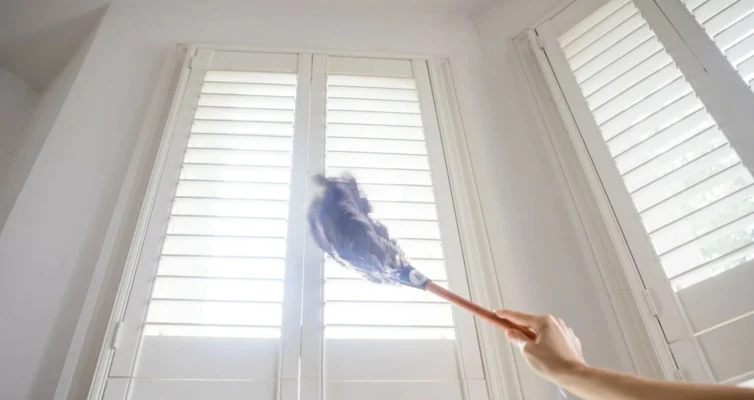
You spend time wiping furniture, vacuuming carpets, and mopping the floors. Everything looks clean until you notice another layer of dust on your coffee table or bedroom shelves the next day. It can be frustrating, especially when you have just finished cleaning. So, why does dust keep coming back after cleaning? Dust constantly enters your home through doors, windows, and everyday activities. Existing particles also become airborne when you walk, move furniture, or use fans. Eventually, they settle on surfaces again.
In Los Angeles, road traffic, nearby construction, dry conditions, and seasonal winds can add to household dust. However, outdoor particles are only part of the problem. The way you clean, maintain air filters, and care for fabrics also affects how quickly dust returns.
Common Sources of Dust Inside Your Home
Household dust isn’t made up of one material. It contains a mixture of particles from different sources. Some develop inside your home, while others enter from outdoors.
Common sources include:
- Skin and Hair: People naturally shed skin cells and hair throughout the day.
- Fabric Fibres: Clothing, carpets, bedding, and curtains release tiny fibres.
- Outdoor Dirt: Soil and road dust enter through footwear, doors, and windows.
- Pet Dander: Cats and dogs shed skin flakes and hair that collect on surfaces.
- Pollen: Outdoor pollen can enter through windows and ventilation.
- Indoor Activities: Cooking and other household activities can produce airborne particles.
Some particles settle quickly. Others remain in the air for longer before collecting on furniture, floors, and shelves.
Why Your House Gets Dusty Again So Fast
Even after cleaning, several conditions can cause dust to reappear.
Dust Settles Again After Being Disturbed
Not all the dust you see after cleaning is new. When you sweep, shake bedding, walk across carpets, or use a dry duster, fine particles can rise into the air. Some remain suspended for a while before settling onto nearby surfaces. This explains why a table may look clean immediately after dusting but develop a thin layer of particles a few hours later.
Carpets and Fabrics Hold Dust
Carpets, rugs, curtains, and upholstered furniture collect dust within their fibres. Walking across a rug or sitting on a sofa can release some of these particles. Cleaning furniture surfaces without vacuuming nearby fabrics may leave a significant source of household dust untouched.
Pets Contribute to Dust Buildup
Pets bring additional hair, dander, and outdoor particles into the home. These materials collect on bedding, carpets, furniture, and floors. Homes with pets may need more frequent vacuuming, particularly around sleeping areas and favourite resting spots.
Air Circulation Moves Particles
Ceiling fans, air conditioners, and everyday movement can disturb settled dust. Airflow carries some particles between rooms before they settle again. This is why dust may collect on furniture even when windows remain closed.
Why Some Los Angeles Homes Get Dustier
Outdoor conditions can influence how much dust enters a property. The amount varies depending on the neighbourhood, surrounding environment, building condition, and ventilation.
Road Traffic and Outdoor Particles
Vehicles can stir up dust from roads and surrounding surfaces. Homes near busy streets or major traffic routes may experience additional outdoor particles, especially when windows are open. Dust can also enter through gaps around doors and windows.
Nearby Construction Work
Building projects, renovations, and demolition activities can release dust into the surrounding air. If construction is taking place near your property, particles may enter through open windows, doors, or poorly sealed openings.
Dry Weather and Seasonal Winds
Los Angeles experiences periods of dry weather, and seasonal winds can carry dust from exposed soil and other outdoor surfaces. During dusty or windy conditions, keeping windows closed may reduce the amount entering your home. Check local air quality information when outdoor conditions are poor, particularly during wildfire smoke events.
Cleaning Habits That Spread Dust
Cleaning methods affect how much dust you remove and how much becomes airborne.
Dry Dusting
Feather dusters and dry cloth may move fine particles from one surface to another.
What to do instead: Use a slightly damp microfibre cloth on suitable surfaces. It helps collect settled particles instead of scattering them.
Cleaning Floors First
If you mop or vacuum before dusting shelves and ceiling fans, particles from higher surfaces may fall onto the freshly cleaned floor.
Try this: Clean from top to bottom. Begin with fans and shelves, continue with furniture, and finish with the floors.
Sweeping Without Vacuuming
Dry sweeping can disturb fine dust on hard floors.
A more effective method: Use a vacuum suitable for the flooring, followed by damp mopping where appropriate.
Using a Poorly Maintained Vacuum
An overfilled dust container, damaged seals, or poorly maintained filters can reduce vacuum performance.
Keep your vacuum in good condition: Empty the container regularly, inspect the attachments, and maintain the filters according to the manufacturer’s instructions.
A well-maintained vacuum with effective HEPA filtration can help reduce the release of collected particles.
Can Your Air Conditioner Cause More Dust?
Air-conditioning systems circulate indoor air, so they can move airborne particles throughout a property. Filters capture some of these particles, but their effectiveness depends on the filter type, fit, condition, and system operation.
Check Your HVAC Filter
A dirty or poorly fitted filter may reduce particle capture or allow air to bypass the filter. Inspect and replace filters according to the manufacturer’s recommendations. The US Environmental Protection Agency recommends using a MERV 13 filter, or the highest-efficiency filter the HVAC system can accommodate. Confirm compatibility before installing a higher-efficiency filter because some systems cannot support the additional airflow resistance.
Dust Around Air Vents
Dust near supply vents doesn’t automatically mean the ductwork is dirty or damaged. Particles may collect around vents because of normal air movement, nearby surfaces, or other indoor dust sources. Check the filter and visible vent areas before assuming the entire duct system needs cleaning. Routine air duct cleaning has not been conclusively shown to reduce household dust levels.
How to Reduce Dust Buildup in Your House
A few changes to your cleaning routine can help slow the return of visible dust.
Use Microfibre Cloths
Wipe furniture, shelves, windowsills, and other suitable surfaces with a slightly damp microfibre cloth. Replace or rinse the cloth when it becomes dirty. Avoid using the same dusty cloth throughout the entire house.
Vacuum Carpets and Upholstery
Carpets and fabric-covered furniture collect particles that surface dusting cannot remove. Vacuum rugs, carpets, sofas, and upholstered chairs regularly. Pay particular attention to high-traffic rooms and areas where pets spend time.
Wash Bedding Weekly
Sheets, pillowcases, blankets, and other bedding collect skin flakes, hair, and fabric fibres.
Weekly washing is a useful starting point for many households. Follow the care instructions for each fabric.
Reduce Dirt Tracked Indoors
Shoes can carry soil and fine outdoor particles into your home. Use entrance mats and clean them regularly. Removing shoes indoors can also reduce the amount of outdoor dirt reaching carpets and floors.
Clean Hidden Dust Sources
Dust can accumulate in areas that are easy to overlook.
Include these places in your cleaning routine:
- Ceiling fan blades
- Window blinds and frames
- Baseboards and corners
- Behind sofas and beds
- Under large furniture
- Bookshelves and decorative items
- Accessible air vent covers
Clean high surfaces before working on lower areas.
Why Is One Room Dustier Than Another?
Dust doesn’t collect evenly throughout a house. A bedroom with carpets, curtains, bedding, and upholstered furniture may have more sources of dust than a room with hard floors and fewer fabrics. Rooms near entrances may collect more outdoor dirt because of foot traffic. Airflow also affects where particles settle. A room with an open window, ceiling fan, or frequently used doorway may experience different dust patterns from another room. If one room becomes dusty much faster, check its fabrics, ventilation, window seals, and cleaning routine.
Do Air Purifiers Help Keep Dust Away?
Air purifiers can capture airborne particles before some of them settle onto household surfaces. A portable air cleaner with an effective particle filter may reduce airborne dust in the room where it operates. However, an air purifier cannot remove dust already resting on furniture, carpets, or floors.
Choose the Right Air Purifier
Consider these factors:
- Room Size: Choose a unit suitable for the area.
- CADR: Check the Clean Air Delivery Rate for particle removal.
- Filter Type: Select effective particle filtration.
- Placement: Keep airflow openings unobstructed.
- Maintenance: Replace filters as recommended.
Air filtration works best alongside regular dusting, vacuuming, and control of indoor particle sources.
Does Humidity Affect Dust?
Humidity can influence dust mites and other indoor allergens, but increasing humidity does not remove household dust. Excess moisture may encourage mould growth and dust mite populations. The EPA generally recommends keeping indoor relative humidity between 30% and 50%. Avoid using a humidifier simply to control visible dust unless indoor conditions justify it.
A Simple Cleaning Routine for Dusty Homes
You don’t need to deep clean every room daily. A regular schedule can prevent dust from accumulating in overlooked areas.
Every Few Days
- Wipe frequently used surfaces.
- Clean visible dirt from high-traffic floors.
- Shake out or clean entrance mats as appropriate.
Every Week
- Vacuum carpets and rugs.
- Dust furniture and shelves.
- Wash bedding.
- Clean pet resting areas.
Every Few Weeks
- Dust ceiling fans and blinds.
- Clean baseboards.
- Vacuum behind accessible furniture.
As Needed
- Inspect HVAC filters.
- Clean upholstery.
- Check window and door seals.
- Remove accumulated dust from difficult-to-reach areas.
Adjust the schedule according to your household size, pets, flooring, and outdoor conditions.
Signs Your Home Needs a Deeper Clean
Regular cleaning removes visible dirt, but dust can gradually accumulate in areas that receive less attention.
A more detailed cleaning may be useful when:
- Dust remains along baseboards and corners.
- Blinds and ceiling fans have visible buildup.
- Furniture hasn’t been moved for cleaning in months.
- Dirt collects behind appliances and large furniture.
- Carpets and upholstery need additional attention.
- The property has been vacant for an extended period.
For busy households, professional house cleaning services in Los Angeles can help remove accumulated dust from accessible surfaces and areas that are often missed during routine cleaning. Mya Cleaning Services provides house and apartment cleaning in Los Angeles, helping residents clean frequently used rooms, furniture surfaces, floors, and other household areas.
A deeper cleaning can reduce existing buildup, but it cannot permanently prevent new particles from entering the home. If dust comes from recent construction or renovation work, additional cleaning methods may be necessary. Suspected lead or asbestos contamination requires appropriate specialist assessment rather than ordinary household cleaning.
Reduce Dust Buildup Between Cleanings
Dust keeps returning because particles continuously enter or develop inside your home, while existing dust becomes airborne during everyday activities. The solution isn’t simply dusting more often. Cleaning from top to bottom, using suitable equipment, vacuuming fabrics, maintaining air filters, and reducing outdoor dirt can help slow the buildup. For Los Angeles households, paying attention to local outdoor conditions and often-missed cleaning areas can make regular home maintenance more effective.
Frequently Asked Questions
1. Why does dust settle on furniture so quickly?
Fine dust particles can remain airborne after cleaning or everyday movement. They eventually settle on tables, shelves, and other surfaces. New particles also continue entering or forming inside the home.
2. Why is my house dustier when the AC is running?
Air-conditioning systems circulate indoor air and may disturb settled particles. Dirty or poorly fitted filters can also affect dust capture. Check filter maintenance and visible vent areas before assuming the ductwork needs cleaning.
3. Does an air purifier stop dust from coming back?
An air purifier can reduce airborne particles, but it cannot prevent all dust buildup. Regular surface cleaning, vacuuming, and control of dust sources are still necessary.
4. How often should I dust my home in Los Angeles?
Once or twice a week is a practical starting point for many households. Homes with pets, heavy foot traffic, or nearby outdoor dust sources may need more frequent cleaning.
5. Can deep cleaning reduce recurring household dust?
Yes. Deep cleaning can remove accumulated dust from accessible areas that regular cleaning may miss, including baseboards, blinds, and spaces behind furniture. However, new dust will continue entering and accumulating inside the home.

