
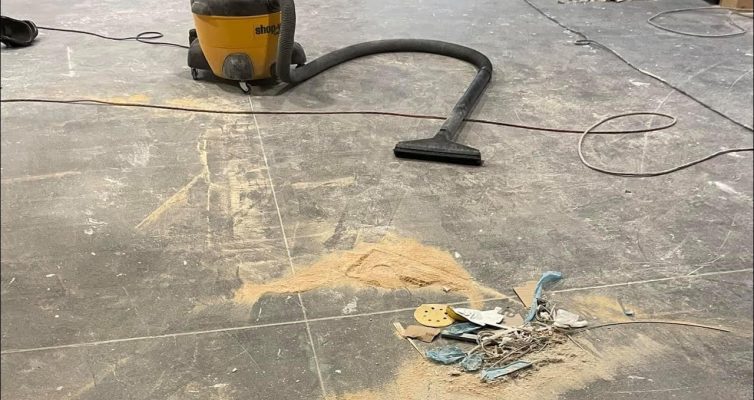
Post construction work always leaves more dust than people expect, and vent grates hold a big share of that hidden mess. Fine particles from cutting, sanding, and drywall work drift through the air, then settle deep into vents and behind grates. You might see only a gray film on the surface, while heavier layers stay trapped inside the openings and around the edges of the metal.
Dust in vents is not just a cosmetic problem. Breathing comfort, indoor air quality, and even HVAC efficiency can suffer if those layers stay in place. Each time the system turns on, loose particles can blow back into rooms, land on new surfaces, and trigger allergies or irritation. Because of this, you should treat vent grate dust as a priority task in any post construction cleaning checklist, not as a small optional step.
Good post construction cleaning for vents needs more than a quick wipe. You should remove grates properly, loosen packed dust safely, and protect the surrounding area from recontamination. In addition, the process should respect your HVAC system, so nothing important gets damaged or pushed deeper into the ductwork. This guide will walk you through clear, step by step methods that help you clean vent grates thoroughly, reduce dust layers, and restore fresher airflow in your newly finished space.
1. Understanding Why Vent Grates Collect Heavy Dust After Construction
Construction Dust Is Extremely Fine
During construction, sanding and cutting release very fine dust that floats in the air for hours. You should understand that this dust does not fall straight to the floor. Instead, it travels through the room and follows airflow, which is why it eventually collects around vents.
Vents Sit Directly In The Path Of Airflow
Vent grates act like gateways for air moving through your HVAC system. Each time the system runs, dust gets pulled across the surface. Over time, layers form in corners and around the edges. You should expect this after construction, because the system keeps circulating leftover debris.
Sticky Particles Lock Into Place
Post-construction dust often mixes with paint mist, adhesive residue, or moisture. Once that happens, the dust bonds to the grate and becomes sticky. You should know that simple wiping rarely removes it, because the buildup needs loosening first.
Built-Up Dust Can Circulate Back Into Rooms
Heavy dust does not always stay trapped. As soon as the air kicks on, loose particles can blow back into living spaces. You should treat vent cleaning as part of air-quality maintenance, not just surface cleaning, since it affects how clean the home feels afterward.
2. Preparing The Area So Dust Does Not Spread Again
Protecting Surrounding Surfaces
Before starting, you should cover the floor and nearby walls so loose dust does not fall onto fresh finishes. This simple step saves time later and prevents marks on newly completed areas.
Turning Off The HVAC System
Cleaning becomes much easier once airflow stops. You should switch off heating or cooling before removing dust, otherwise loose particles will travel through other rooms and undo your work.
Creating A Safe Work Zone
Post-construction dust can irritate eyes and lungs. You should use basic protection like a mask and gloves so the job feels safer and more comfortable. This keeps you focused instead of constantly stopping.
Planning For Waste And Cleanup
You should keep trash bags and cloths nearby so dust goes straight into disposal instead of landing back on the floor. A bit of planning keeps the process controlled and cleaner.
3. Gathering Safe Tools And Supplies For Vent Cleaning
Choosing Tools That Loosen Dust Gently
Vent grates respond best to gentle cleaning. You should use soft brushes and microfiber cloths so dust lifts away instead of getting pushed deeper into the vent. Gentle tools protect both the grate and the duct opening.
Selecting Safe Cleaning Solutions
Not every cleaner is safe for coated metal or plastic. You should stick to mild soap or diluted vinegar so finishes stay intact. Strong products can damage the grate and create future rust problems.
Keeping Everything Ready Before Starting
You should gather everything in advance so you don’t stop halfway through the job. Having towels, cleaner, and a small vacuum ready keeps the cleaning smooth and prevents dust from spreading while you look for supplies.
4. Loosening Surface Dust Before Removing The Grate
You should never pull a dirty vent grate off right away, because loose dust can fall straight into the duct. First, you should loosen the outer layer gently so the bulk of the dust comes off before removal. This step keeps the mess controlled and reduces what spreads back into the room.
What to do
- Lightly brush the front of the grate to break up layers
- Vacuum slowly across the openings so loose dust lifts away
- Tap lightly around the edges to release stuck particles
- Wipe gently to remove the remaining surface film
5. Taking Vent Grates Off Without Scratching Surrounding Surfaces
Vent grates usually sit close to paint, trim, and fresh finishes. You should remove them carefully so screws, edges, or tools do not scratch the surrounding area. A slow, controlled approach keeps both the grate and the wall looking clean after the job.
What to do
- Unscrew the grate slowly instead of forcing the screws
- Hold the grate steady as you remove the last screw
- Pull the grate outward at a slight angle, not straight out
- Place the grate on a towel or protected surface right away
6. Cleaning Packed Dust From Inside Edges And Openings
Reaching Deep Into Corners Without Pushing Dust Inside
Packed dust loves to hide inside the edges and corners of the grate. You should work slowly here, because aggressive scrubbing pushes dust deeper into the duct. A soft brush or small detailing tool works best, since it loosens dust gently while keeping control over where it falls.
Lifting Dust Instead Of Smearing It
Once the dust loosens, you should lift it off instead of wiping it across the surface. A light vacuum pass removes loose layers without spreading them around. If sticky residue remains, you should dampen a cloth slightly and wipe carefully, so the surface gradually becomes clean again.
Paying Attention To Screw Areas And Frame Lines
Screw holes and frame lines collect some of the thickest dust. You should take extra time around these spots, because they hold stubborn buildup that shows again later if ignored. Cleaning them thoroughly helps the grate look cleaner and prevents dust from breaking loose later.
7. Washing Metal Or Plastic Vent Grates The Right Way
Choosing The Right Cleaning Method For The Material
Different grate materials need different care. You should check whether the grate is metal, aluminum, or plastic before washing. Metal often benefits from mild soap and warm water, while plastic needs gentler cleaning so the surface does not scratch.
Washing Without Damaging Coatings
Many grates have protective coatings. You should avoid harsh scrubbing pads or strong chemicals, because they strip the finish and invite rust. A soft sponge and mild cleaner allow the grime to dissolve instead of being scraped off.
Rinsing And Drying Properly
Once the grate is clean, you should rinse thoroughly so no cleaner remains. Leftover soap attracts dust again. After rinsing, you should let the grate dry fully before reinstalling. Extra moisture inside vents encourages mold and rust, so full drying protects both the grate and the system.
8. Drying Completely So Rust And Mold Do Not Form
Moisture left on a vent grate creates problems later. You should make sure every surface is fully dry before putting the grate back in place. Dry metal resists rust, and dry plastic prevents trapped moisture from turning into mold or mildew. A little extra drying time protects both the grate and the air moving through it.
Key points
- Let grates air-dry on a clean towel or rack
- Pat dry with a microfiber cloth for faster results
- Keep grates in a warm, ventilated space until dry
- Avoid reinstalling while even slightly damp
9. Reinstalling The Grates And Checking Airflow
Reinstalling should feel careful and controlled. You should place the grate back gently, line it up correctly, and tighten screws without over-torquing them. After that, turning the HVAC system back on helps confirm that air flows smoothly and nothing rattles, whistles, or feels blocked.
Key points
- Position the grate evenly before tightening screws
- Tighten slowly to avoid stripping the screw holes
- Check that the grate sits flush on the wall or floor
- Turn the system on and make sure airflow feels normal
10. Simple Maintenance Habits That Prevent Dust Layers From Returning
Scheduling Light Cleaning Before Dust Builds Up
Post-construction homes collect dust faster than normal, so regular attention matters. You should wipe or vacuum vent grates every few weeks instead of waiting for visible buildup. Light cleaning keeps dust loose, easy to remove, and far less frustrating to deal with later.
Replacing Or Upgrading HVAC Filters Regularly
Filters decide how much dust travels through the system. You should check them often and replace them on schedule. For homes that collect dust quickly, you should consider higher-quality filters that trap finer particles, which helps protect vent grates from repeated buildup.
Keeping Construction Debris Out Of The System
Future repairs, sanding, or drilling send dust straight toward vents. You should cover nearby vents during messy work and remove the coverings once the job is finished. This simple habit keeps your cleaning effort from being undone too quickly.
Watching For Early Signs Of Buildup
Small gray lines around grates and musty smells when the system runs are early warnings. You should act quickly when you notice them, because early cleaning stays simple while ignored dust becomes harder to remove.
Calling A Professional If Dust Returns Too Fast
Some homes deal with deeper issues such as duct leaks, poor filtration, or hidden debris inside the system. You should call a professional if vents look dirty again within days, since expert inspection can solve the root cause instead of repeating surface cleaning.
Conclusion
Post-construction cleaning feels finished only when vent grates are handled correctly, because dust hiding inside them keeps circulating through the home. You should treat grate cleaning as part of the final checklist, not as an afterthought, since clean vents support healthier airflow and a cleaner living environment. Careful work protects the HVAC system, reduces odors, and prevents dust from settling right back onto newly cleaned surfaces.
Thorough cleaning works best when you move step by step instead of rushing. You should loosen dust gently, wash grates safely, dry them fully, and reinstall them with care. Small, consistent habits afterward make a big difference, especially in homes that collect dust quickly. One smart suggestion is to upgrade to a better-quality HVAC filter after construction, because stronger filtration reduces how much dust ever reaches the vents again.
Freshly finished spaces deserve clean air as well as clean walls and floors. You should keep an eye on your vents in the weeks ahead, address early dust before it thickens, and call a professional if buildup keeps returning. With a little attention now, your vents stay cleaner, the system works more efficiently, and the space truly feels newly completed.

 by:
by: 
