
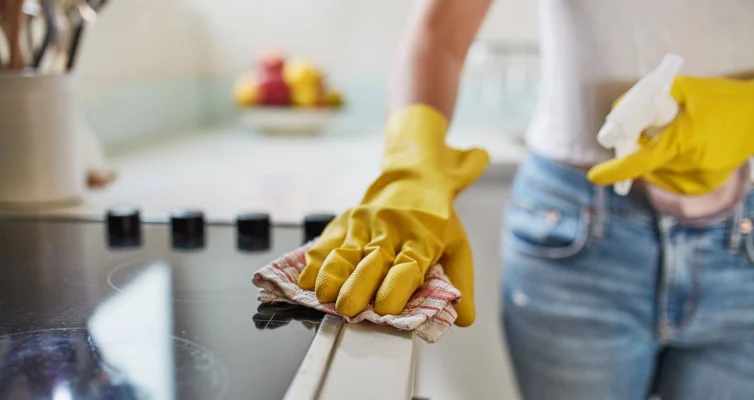
Ever cleaned your entire house only to find streaks on the mirrors, dust on the furniture, or sticky kitchen floors? You might have spent hours working, but the results still don’t look right. Often, the issue isn’t how much cleaning you do. It’s a few everyday habits that affect the results. Many homeowners use the wrong products, clean rooms in an inconvenient order, or overlook small areas where dirt collects. Some cleaning methods can even damage flooring, countertops, and furniture. These 15 common house cleaning mistakes explain what might be going wrong and how to avoid it. Whether you’re cleaning an apartment or a family home in Los Angeles, CA, a few changes to your routine can help you get better results without spending more time on household chores.
1. Pouring More Cleaner Than You Actually Need
A little extra floor cleaner might seem harmless, especially when you’re dealing with greasy tiles or dirty countertops. But using too much product can create another problem. Excess detergent often leaves a film that makes floors feel sticky. On glass and polished surfaces, it can cause cloudy patches or streaks.
Try This Instead
Measure cleaning solutions according to the label. When dilution is required, use the recommended amount of water. If a surface feels sticky after cleaning, check the manufacturer’s rinsing instructions rather than applying another layer of detergent.
2. Combining Cleaning Chemicals to Remove Tough Stains
A stubborn bathroom stain can tempt you to try several products at once. This is one cleaning habit that can become dangerous. Mixing bleach with other household cleaners, particularly ammonia-based or acidic products, can release harmful gases.
Even products sold for similar cleaning tasks may contain ingredients that should not be combined.
A Safer Approach
Use one product at a time and follow the manufacturer’s instructions. Keep chemicals in their original containers and provide adequate ventilation. If a cleaner doesn’t remove a stain, check which alternative is suitable for the surface instead of mixing products.
3. Carrying the Same Cleaning Cloth From Room to Room
Picture wiping the bathroom sink, moving to the kitchen, and using the same cloth on the countertop. The cloth may look clean, but it can carry contamination from one surface to another. This is particularly concerning when cleaning toilets, food preparation areas, and frequently touched surfaces.
What Works Better
Use separate microfiber cloths for kitchens, bathrooms, and general dusting. You can assign different colors to different rooms to avoid mixing them up. Replace heavily soiled cloths during cleaning, then wash and dry reusable supplies according to their care instructions.
4. Spraying Cleaner Straight Onto Screens and Electronics
Fingerprints on a television or computer monitor can be annoying, but spraying the screen directly isn’t a good solution. Liquid can enter openings around the edges or buttons. Certain chemicals may also affect protective screen coatings.
The Better Method
Check the device manufacturer’s instructions first. If permitted, apply a small amount of approved cleaner to a soft cloth and wipe gently. Avoid soaking the cloth or allowing moisture to collect around ports and controls.
5. Mopping the Floor Before Cleaning Everything Else
You finish mopping the living room, then remember the dusty ceiling fan. Once you wipe the fan, dust falls onto the clean floor. Now the floor needs attention again. The same thing happens when you clean countertops after washing the kitchen floor.
Change the Cleaning Order
Begin with ceiling fans, shelves, window ledges, and furniture. Move to countertops, fixtures, and other lower surfaces. Save vacuuming, sweeping, and mopping for the end. Working from the top down helps prevent dust and crumbs from falling onto areas you’ve already cleaned.
6. Treating Cleaning and Disinfecting as the Same Task
A surface can look clean without being disinfected. However, disinfecting every household surface every day is not usually necessary. Cleaning removes dirt and many germs. Disinfectants are designed to kill specified germs when used according to their labels. One common mistake is spraying disinfectant and immediately wiping it away.
Use Disinfectants Correctly
Check the product’s contact time. Many disinfectants require the surface to remain visibly wet for a specified period. Follow any instructions for cleaning the surface first and rinsing afterward. For ordinary household maintenance, regular cleaning is generally sufficient. Disinfection may be appropriate when someone is sick or in other situations requiring additional precautions.
7. Using Rough Scrubbers on Every Surface
A stiff brush or abrasive sponge may work on certain materials, but it can scratch others. Polished stone, acrylic fixtures, delicate finishes, and some stainless steel surfaces may develop visible marks after repeated scrubbing. The damage can be permanent.
Choose the Right Tool
Use soft cloths or nonabrasive sponges on delicate materials. Allow a compatible cleaning product to loosen buildup before wiping. For unfamiliar surfaces, check the care instructions and test an appropriate product in a hidden area when recommended.
8. Washing Windows When the Sun Is Strongest
Bright sunshine makes dirty windows easier to notice. Unfortunately, hot glass can make cleaning more difficult. The solution may dry before you can wipe or squeegee it away, leaving streaks and spots behind. This can be particularly frustrating during warm afternoons in Los Angeles.
Get a Clearer Finish
Clean windows when the glass is shaded or during cooler parts of the day. Work on one section at a time. Use a suitable glass cleaner, clean microfiber cloth, or squeegee, and remove the solution before it dries.
9. Forgetting That the Vacuum Needs Cleaning Too
A vacuum cleaner collects dust, hair, crumbs, and other debris. Eventually, its dust container, filters, and brush roll need attention. A clogged filter can restrict airflow. Hair wrapped around the brush may reduce cleaning performance. You might find yourself vacuuming the same carpet repeatedly without removing much dirt.
Keep the Vacuum Working Properly
Empty the container or replace the bag as directed. Check the filter maintenance schedule and remove tangled debris from the brush roll safely. If your home has pets or heavily used carpeted areas, inspect the vacuum more frequently.
10. Missing the Small Surfaces Everyone Touches
Kitchen counters and bathroom sinks usually get plenty of attention. Door handles and light switches often don’t.
Other commonly missed spots include:
- Refrigerator and cabinet handles.
- TV remotes.
- Stair railings.
- Faucet handles.
- Drawer pulls.
- Frequently used appliance controls.
These surfaces collect fingerprints, skin oils, and everyday dirt.
Add Them to Your Routine
Wipe frequently touched areas with products suitable for their materials. Use minimal moisture around switches and electronic controls. Disinfect when appropriate, following the product’s label instructions.
11. Rubbing Carpet Stains Until They Spread
A spilled drink on the carpet can lead to frantic scrubbing. Unfortunately, rubbing aggressively may spread the stain, damage fibers, or push liquid deeper into the material. Using a stain remover that isn’t suitable for the carpet can make the situation worse.
Treat Spills Carefully
Blot fresh liquid with a clean, absorbent cloth. Remove solid material gently before treating the affected area. Check the carpet or upholstery care instructions and test a suitable cleaning product where recommended. Avoid soaking the material, particularly when moisture could reach the padding beneath.
12. Leaving Floors Too Wet After Mopping
Some flooring materials tolerate moisture better than others. Hardwood and laminate floors can be damaged when water enters joints or remains on the surface for too long. Repeated exposure may cause swelling, warping, or deterioration of the finish.
Use Less Water Where Required
Follow the flooring manufacturer’s recommended cleaning method. For moisture-sensitive materials, use a lightly damp mop only when permitted. Never leave standing water around seams or baseboards. Clean spills promptly and allow the floor to dry.
13. Putting Dirty Cleaning Tools Back in the Cupboard
A mop used on greasy kitchen tiles shouldn’t go straight into storage without being cleaned. The same applies to sponges, scrub brushes, and reusable dusting cloths. Dirt and moisture left in cleaning tools can cause unpleasant odors and reduce their effectiveness during the next cleaning session.
Clean Your Supplies After Use
Wash mop pads and reusable cloths according to their care labels. Remove debris from brushes, rinse suitable tools, and allow everything to dry thoroughly. Replace worn or heavily soiled sponges when necessary. Keep toilet-cleaning tools separate from equipment used in food preparation areas.
14. Assuming Vinegar Works on Every Household Surface
Vinegar is often recommended as an inexpensive household cleaner. While it can be useful for certain tasks, its acidity makes it unsuitable for some materials. Marble, limestone, and other acid-sensitive natural stones may develop dull patches or etched areas after contact with vinegar. Some finished wood and specialty surfaces can also be damaged by unsuitable cleaners.
Check the Material First
Use cleaning products approved for the specific surface. For natural stone, follow the stone supplier’s or manufacturer’s care instructions. Don’t assume that a homemade solution is safe simply because it contains familiar ingredients.
15. Saving Every Cleaning Task for the Weekend
When all household chores are postponed, dirt has more time to accumulate. Kitchen grease becomes harder to remove, soap residue builds up around bathroom fixtures, and dust settles behind furniture. By the weekend, cleaning may require several hours instead of a few manageable sessions.
Spread the Work Across the Week
Deal with spills and food residue as they occur. Keep regularly used surfaces clean and schedule less frequent tasks separately. A simple routine may include daily kitchen upkeep, regular bathroom cleaning, and periodic attention to baseboards, window tracks, and other overlooked areas. The frequency should reflect your household’s needs rather than a rigid schedule.
A Better Way to Organize House Cleaning
Avoiding mistakes becomes easier when you follow a practical cleaning sequence. Instead of switching between unrelated tasks, complete similar work together.
Begin With the Rooms That Need the Most Attention
Walk through your home and identify areas with visible dirt, spills, or accumulated clutter. A kitchen used several times a day may need more frequent cleaning than a guest bedroom.
Keep the Right Products Nearby
Gather suitable cleaning solutions, microfiber cloths, brushes, and other supplies before beginning. Separate bathroom equipment from kitchen cleaning tools. Read product instructions before using unfamiliar chemicals or treating delicate materials.
Dust Before Washing Surfaces
Remove loose dust from furniture, shelves, and fixtures before wiping counters or mopping. This prevents debris from settling onto freshly cleaned areas.
Clean Floors Last
Vacuum or sweep after the higher surfaces are finished. Then mop where appropriate for the flooring material. Allow the floors to dry before returning furniture or walking across them.
Include Occasional Deep Cleaning
Regular upkeep doesn’t always remove buildup in corners, behind furniture, or around frequently used fixtures. Periodic deep house cleaning can address areas that receive less attention during ordinary weekly chores.
When Professional House Cleaning May Be a Better Option
Even with good cleaning habits, maintaining an entire home can take considerable time. Busy work schedules, larger properties, pets, and accumulated dirt can make regular household cleaning difficult. Professional house cleaning services in Los Angeles, CA, may be useful when you need additional attention to frequently used rooms or areas that have not been cleaned thoroughly for some time.
Depending on the service booked, residential cleaning may include:
- Kitchen countertop and appliance exterior cleaning.
- Bathroom sinks, toilets, showers, and fixtures.
- Furniture dusting and accessible surface cleaning.
- Vacuuming and suitable floor cleaning.
- General cleaning of bedrooms and living spaces.
- Additional deep cleaning tasks agreed upon before the appointment.
Mya Cleaning Services offers residential cleaning services in Los Angeles, including routine house cleaning and deep cleaning. Homeowners can discuss their property size, cleaning requirements, and areas that need additional attention before scheduling a service. Professional cleaning can be particularly useful before guests arrive, after a busy period, or when accumulated grime requires more time than regular upkeep. Before booking, confirm which rooms, surfaces, and cleaning tasks are included in the service.
Frequently Asked Questions
Why does my floor feel sticky after mopping?
Sticky floors often result from using too much cleaning solution, incorrect dilution, or leaving product residue behind. Follow the flooring and cleaner manufacturers’ instructions, including any recommended rinsing steps.
Is it better to clean one room at a time?
Cleaning one room at a time can work well, especially in smaller homes. Within each room, start with higher surfaces and finish with the floor. You can also group similar tasks, such as dusting throughout the house before vacuuming.
Can I use the same cleaning product in the kitchen and bathroom?
Only if the product label confirms it is suitable for the surfaces and intended tasks. Keep cleaning cloths and tools separate to reduce cross-contamination.
How often should I deep clean my house?
It depends on household size, pets, daily activity, and how quickly dirt accumulates. Kitchens and bathrooms may require more frequent attention, while less-used spaces can be cleaned according to their condition.
Why do my windows still have streaks after cleaning?
Streaks may result from excess cleaning solution, dirty cloths, or cleaning glass while it is hot. Use a suitable glass cleaner, work in smaller sections, and wipe the surface before the solution dries.
Make Your House Cleaning Routine Work Better
Spending more time cleaning won’t necessarily improve the results if the same mistakes keep happening. Using suitable products, keeping cleaning tools clean, and following a sensible order can prevent many common problems.
For homeowners and renters in Los Angeles, CA, these small changes can help maintain cleaner floors, kitchens, bathrooms, and living spaces. When accumulated grime requires more attention, professional residential cleaning can provide additional support for the areas that need it.

